Translating Both Ways — On Leadership as Bridge Work
Why the most underrated job of any leader is translation between layers — and what that work actually looks like.
Engineering leader who still commits code — Kotlin, Rust, Python, TypeScript. Writing about teams, legacy systems, and AI without losing your judgement.
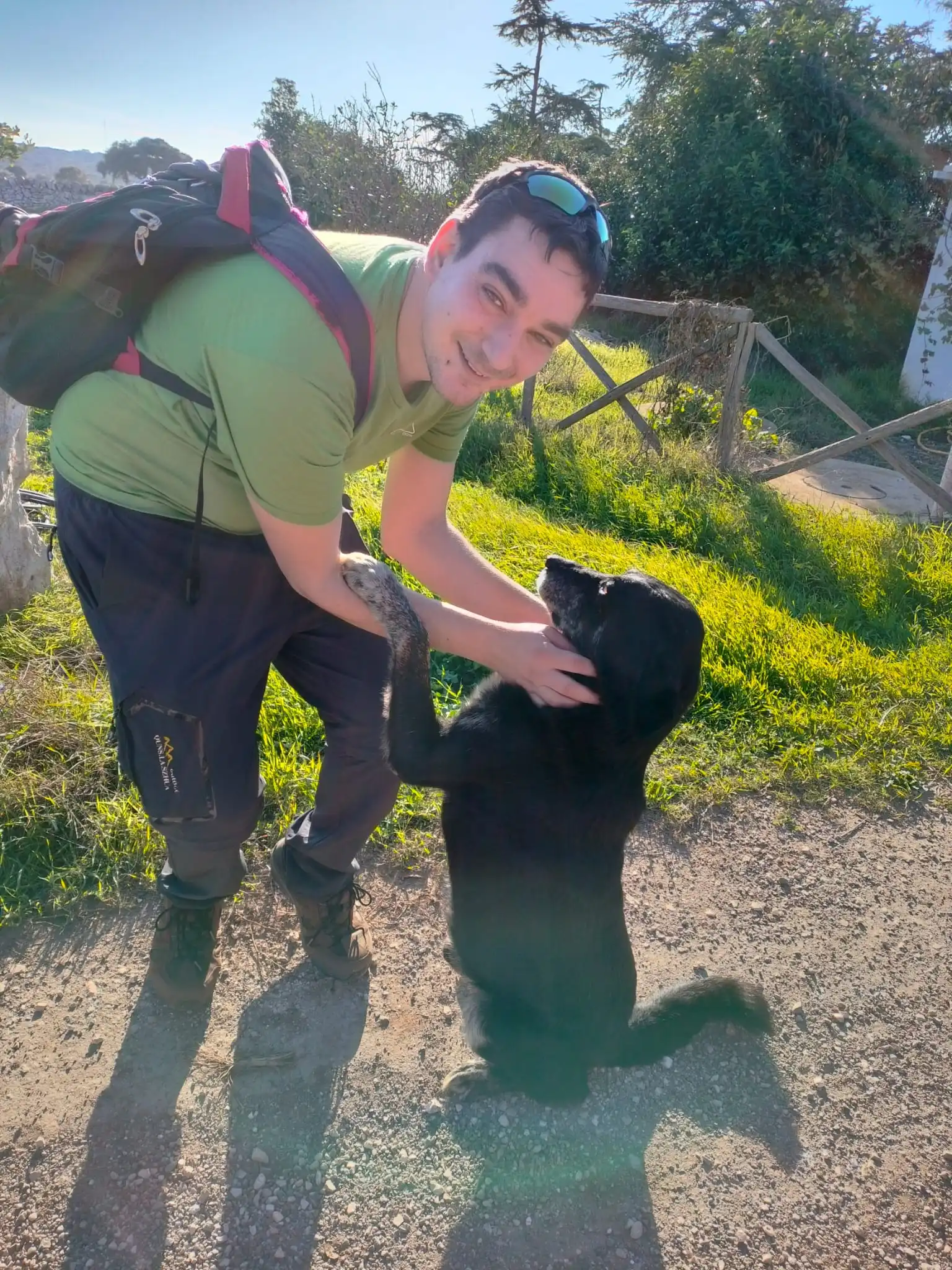
Head of Engineering at Bikeleasing · Göttingen, DE. Kotlin, Rust, Python, TypeScript. Seven teams, forty engineers.
Ciao! I'm Toni. By trade I'm an engineering leader; by formation I'm a linguist, a philologist, and someone who's been writing code on the side since he was fourteen so the way I think about systems probably owes as much to grammar and the structure of arguments as to anything I picked up from a CS curriculum I self-taught my way through. What pulls me in, professionally and personally, is the interface(s). The place where what a business actually needs, what good engineering looks like, and what the people involved are capable of delivering, all have to find an agreement. The translation work in both directions: taking business intent and turning it into something engineers can build, taking engineering reality and putting it in terms a stakeholder can act on. This is where most of the interesting problems live, and where I've spent most of the last five years. I lead engineering at a German company leading the mobility-benefits space, where I joined as the first internal hire and have been building the organisation I now run.
"Human systems, organisational systems, technical systems — they rhyme more than people give them credit for."
I still write code. Kotlin and TypeScript during the week, Rust and Python on the weekend, occasional detours into Zig, Nix, and much more. Partly because a technical leader who stops touching the keyboard slowly loses the ability to tell what's genuinely difficult from what's just badly designed. Mostly because I find it fun, and after twenty years that hasn't changed. I'm endlessly curious about how things work: distributed systems, languages I don't yet speak, why a postmortem on a Tuesday went one way and the same kind of incident months ago went another. Curiosity is THE working tool I try to put at the centre of everything: the next problem usually rewards the people who picked up the thing nobody made them learn. This blog is where I think out loud about engineering leadership, hiring and growing teams, modernising legacy without rewriting it, AI tooling without the hype, and the occasional idea that earns its detour.
Technical depth paired with human-centred leadership — refined through five years of building teams and shipping production systems at scale.
Why the most underrated job of any leader is translation between layers — and what that work actually looks like.
AI is no longer speculative: it lives in our IDEs, our pull requests, and our ADRs. This is what we learned about speed, ownership, and the fifteen-word contract that holds it all together.
Legacy systems do not survive because organisations are conservative or short on technical imagination. They survive because they already know too much. On modernisation, decomposition, and the harder questions underneath.